Kitchen exhaust warning signs: smoke, heat, and lingering odors
A commercial kitchen depends on an exhaust system that moves heat, smoke, grease, and cooking odors out of the room. When that system starts to underperform, the signs are often visible before any alarm sounds. Smoke hangs in the kitchen instead of clearing. The room feels hotter than usual. Odors from the cooking line drift into dining areas or nearby spaces. These symptoms point to a system that is not moving air as intended, and they deserve attention before they turn into a fire risk, a comfort problem, or a compliance issue.
What kitchen exhaust cleaning is meant to address
Kitchen exhaust cleaning is the work of removing grease and residue from the hood, filters, ductwork, and related components that carry cooking vapors out of the building. A kitchen ventilation system is not just a hood above cooking equipment. It is a path. Air enters at the hood, passes through filters, moves into ducts, and is pulled by an exhaust fan to a discharge point outside. Makeup air replaces the air that leaves, which helps the system work as intended.
Grease is the main reason cleaning matters. Cooking vapors condense as they cool, sticking to filters, ducts, and fan parts. Over time, that buildup narrows the path and can catch fire if it is exposed to enough heat. Residue also traps odors and gives smoke more places to collect. A system can still appear to run while moving far less air than it should, which is why visible signs matter.
For restaurants, the subject also connects to records. cleanhoodpros.com sits in the field of professional commercial kitchen hood cleaning, exhaust system maintenance, and compliance-focused documentation, so the practical question is not only whether the hood looks clean. It is whether the whole exhaust path can do its job and whether the condition can be documented clearly.
How a healthy exhaust path should behave
A well performing system creates a steady flow at the hood opening. Cooking smoke is drawn upward and away from staff. Heat from ranges, grills, and fryers is removed rather than allowed to build across the room. Grease filters catch a portion of the heavier particles before air enters the duct, and the exhaust fan keeps the path under negative pressure.
That flow depends on several things working together. The fan needs enough power and the right blade condition. Ducts need an open path. Filters need to be clean and correctly seated. Makeup air needs to enter at a rate and location that does not fight the hood. If one part is restricted, the whole system can lose performance. A strong fan cannot fully compensate for a duct packed with residue, and a clean hood cannot overcome poor airflow caused by missing makeup air.
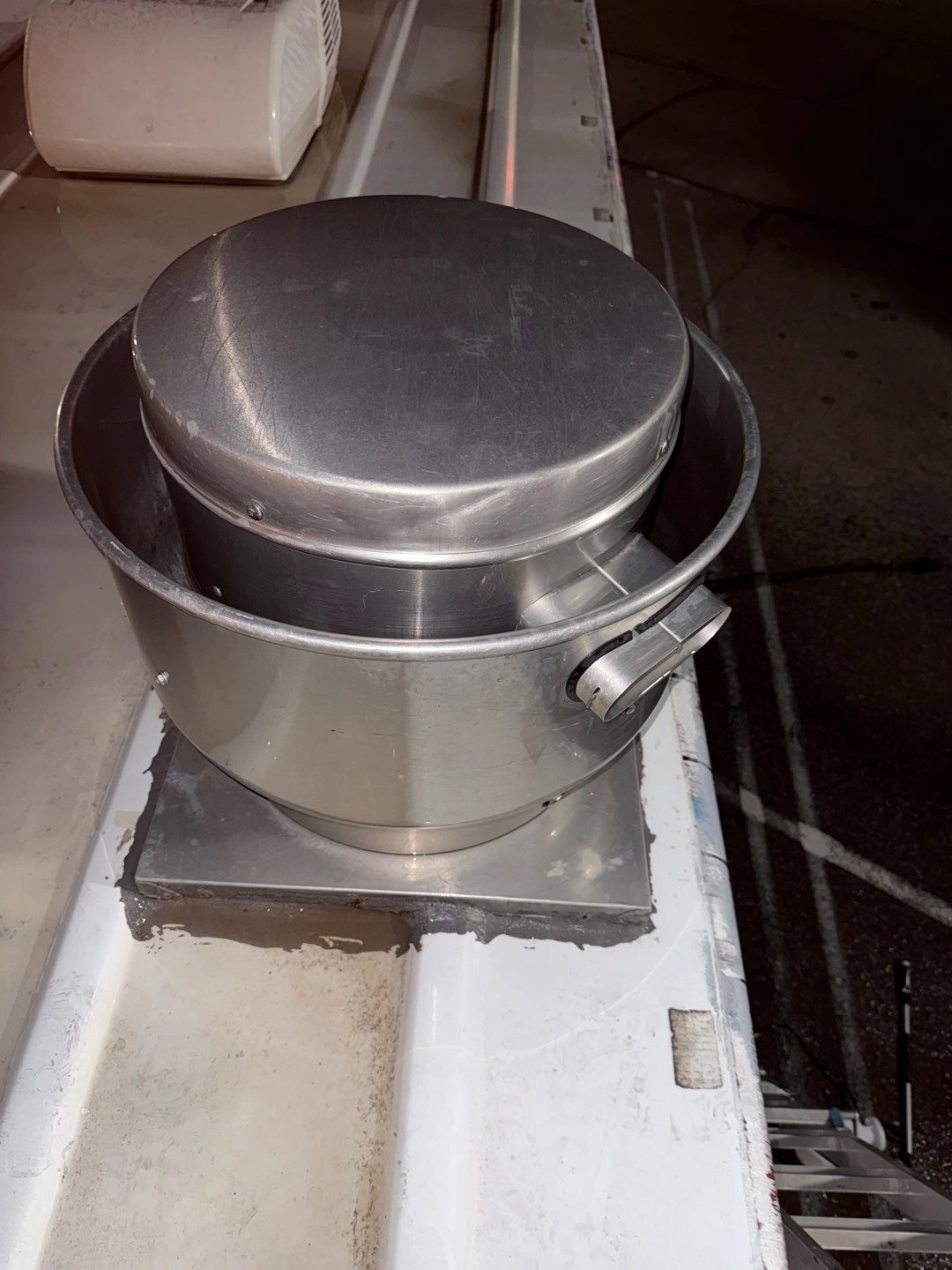
This is why smoke, heat, and odors are useful clues. They show what the room is experiencing, not just what one component is doing. A kitchen may have a fan that sounds normal and a hood that looks acceptable, yet still fail to capture smoke at the cooking surface.
Smoke that hangs instead of clearing
Smoke is one of the clearest signals. During normal cooking, smoke should be pulled into the hood and carried away. If it lingers above a range, rolls past the hood face, or spreads across the kitchen, capture is weak. The cause may be a restriction downstream, dirty filters, a fan problem, or airflow in the room pushing smoke away from the hood.
Patterns are more useful than a single moment. Smoke that escapes during high volume cooking may suggest the system is near its limit. Smoke that appears during light cooking, or that drifts even when the line is quiet, suggests a more persistent problem. Pay attention to where the smoke goes. If it moves toward doors or dining areas, the pressure balance in the room may be working against the hood.
There is a safety point here. Smoke from cooking is not the same as smoke from an uncontrolled fire, but heavy smoke combined with heat or flame near grease buildup is serious. If fire is suspected, staff should follow the kitchen emergency plan and call emergency services. Cleaning or adjustment is not a task to attempt while equipment is hot or in an active hazard.
Heat that stays in the kitchen
Heat buildup is easy to dismiss in a busy kitchen, since cooking equipment naturally warms the room. The concern is a change. If the kitchen feels hotter during similar cooking loads, or if heat pools near the hood instead of being drawn upward, airflow may have dropped. Grease-coated ducts and filters restrict movement, so warm air stays close to the cooking line.
Heat also affects people and equipment. Staff working under a hot canopy may feel strain sooner. Nearby prep areas can become uncomfortable. Cooling equipment may work harder to offset the extra load. None of these signs proves an exhaust fault on its own, but together with smoke or odors they form a pattern that points to the ventilation path.
Simple observations can help frame the issue without touching equipment. Notice whether the room feels different at opening, mid-service, and closing. Notice whether the hot zone has expanded beyond the cooking line. Notice whether the hood face feels warm where air should be moving away. These observations are useful when discussing the problem with a qualified service provider.
Odors that move where they should not
Odors are more subjective than smoke or heat, but they still carry information. Cooking smells should be pulled into the hood and discharged outside. If those smells settle in the kitchen after service, move into a dining room, or appear in adjacent spaces, the exhaust system may not be capturing or removing air effectively.
Stale odors can also come from residue inside the system. Grease and food particles hold smells. When a duct or fan housing is coated, it can act like a storage area for old cooking odors, especially when the system is warm or airflow is low. That does not mean every odor is a cleaning issue. Drain problems, waste handling, and refrigeration faults can create their own smells. The location and timing of the odor help separate the causes.
A useful question is whether the odor follows cooking activity. If it rises during a busy period and fades later, capture and airflow are likely involved. If it remains constant regardless of cooking, another source may be present. Both cases deserve investigation, but they point toward different fixes.
Where restrictions usually develop
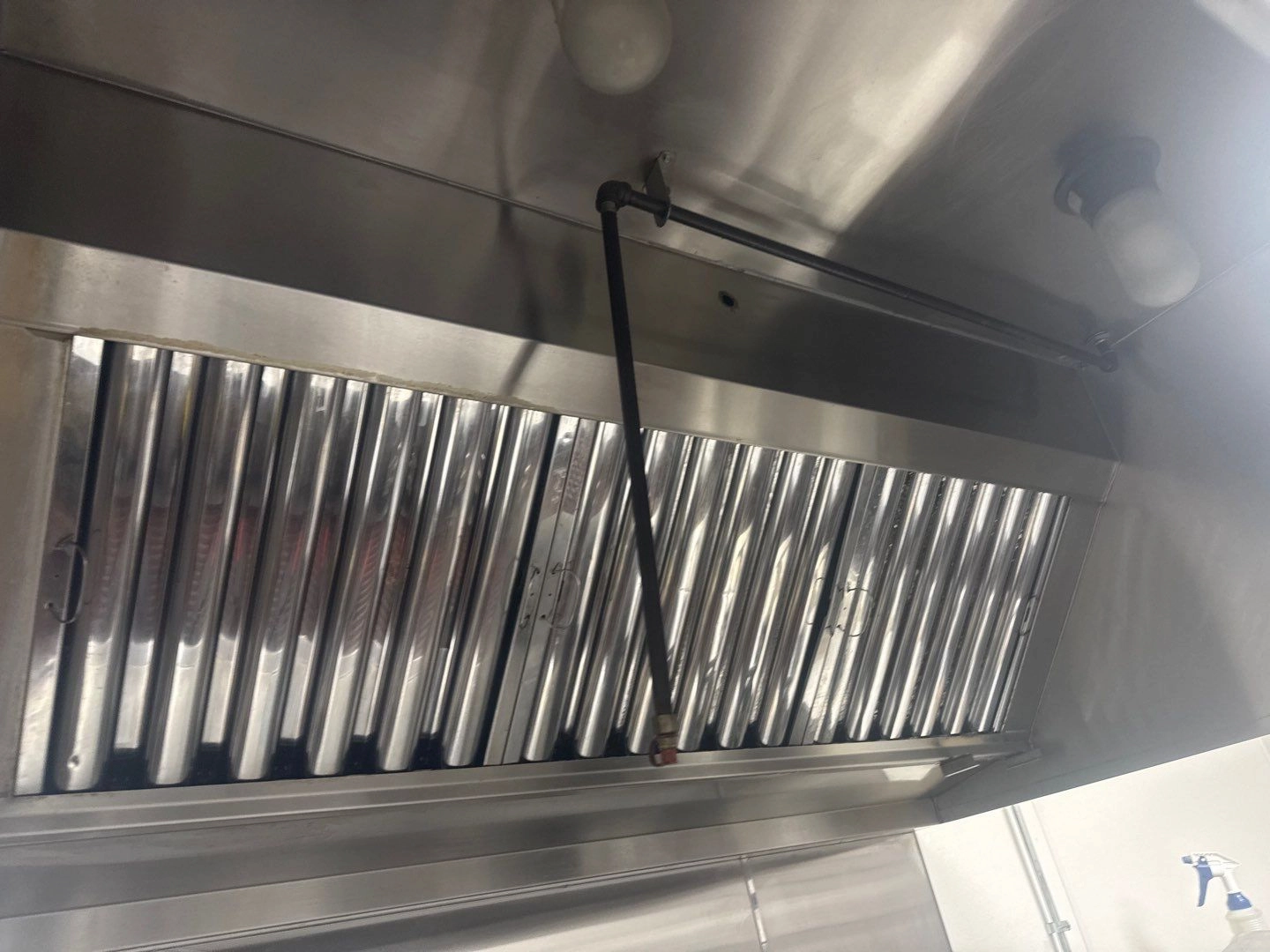
Grease filters are the first place many problems begin. When filters load up, air has a harder time passing through. Filters that are missing, installed backward, or poorly fitted can also let grease travel farther into the duct. A filter that looks dark is not always a sign of a bad product, but it is a sign that maintenance needs attention.
Ductwork is the larger concern. Grease can coat the interior surfaces over months of service, especially where the path turns or where airflow slows. The buildup reduces the open area and increases fire load. It can also create drips or stains at joints. Because much of this happens out of sight, a clean exterior is not proof that the interior is clear.
The exhaust fan is another point to watch. Unusual vibration, rattling, or a change in sound can indicate wear, buildup, or a problem with the fan assembly. Any inspection or repair around fans and electrical components should be left to a qualified professional. The same applies to work at height, opening sealed equipment, or anything that involves live power.
Makeup air and the balance of the room
An exhaust system cannot remove air unless replacement air can enter. That replacement is called makeup air. If a kitchen is sealed too tightly, the hood may struggle to pull smoke and heat upward, even when the fan and ducts are clean. The result can look like a dirty hood problem when the real issue is pressure balance.
Doors, windows, and nearby air supplies all affect this balance. A door cracked open may improve capture for a short time, but it is not a dependable design. Strong air from a supply vent can push across the hood and carry smoke into the room. Too little makeup air can make the space feel heavy and slow to clear.
This trade-off matters. Adding airflow without understanding the path can create drafts, cool the kitchen unevenly, or disturb combustion equipment. Adjustments to ventilation balance should be handled by qualified HVAC or kitchen ventilation professionals who understand the full system.
Turning warning signs into a clear response
When smoke, heat, and odors appear together, treat them as a performance signal rather than a nuisance. Record what was happening at the time: which equipment was in use, where the smoke moved, whether doors were open, and how long the odor lasted. Those details help a professional diagnose the cause instead of guessing from one symptom.
In a restaurant setting, documentation also supports compliance-focused maintenance. Records that describe the condition of the hood, filters, ducts, and fan help show what was found and what work was done. They also make recurring problems easier to spot. If the same area shows residue again and again, the cleaning interval or the airflow pattern may need review.
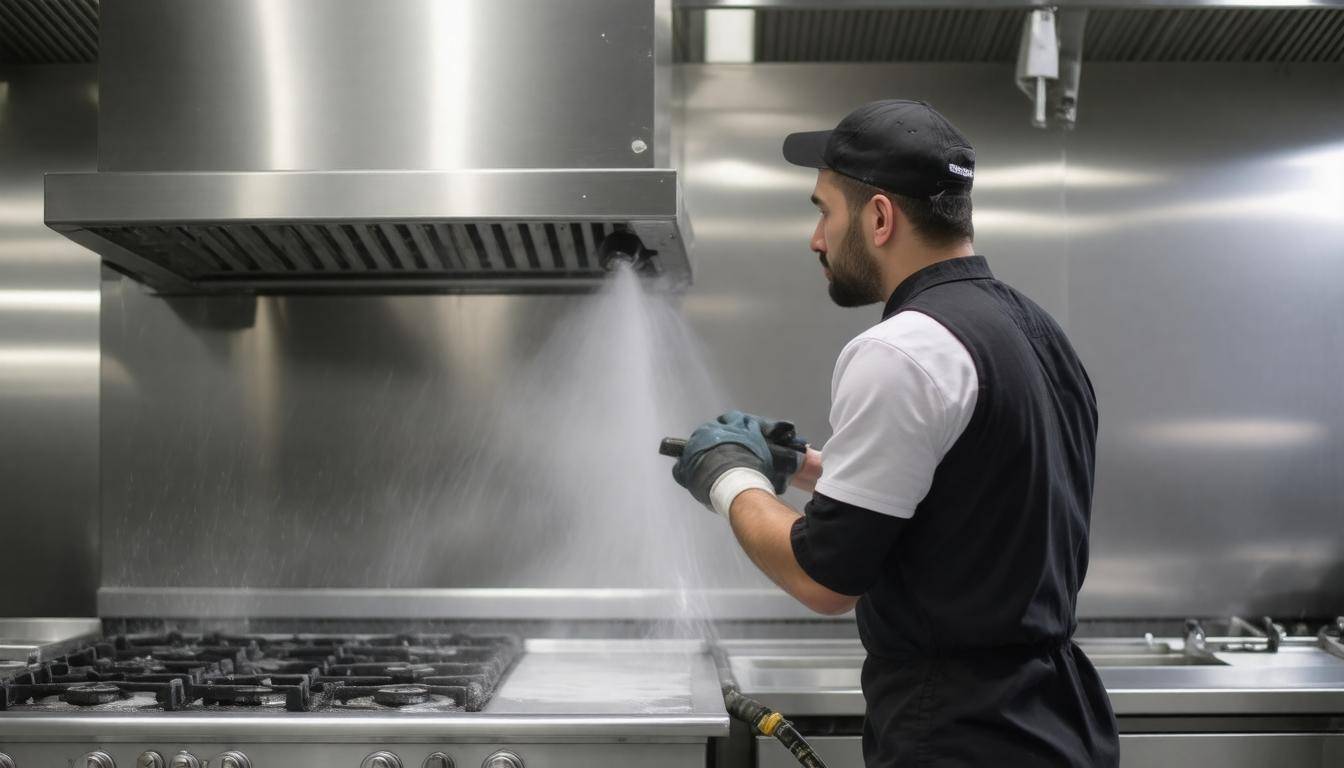
cleanhoodpros.com reflects a documentation-minded approach to this subject, but the reader does not need special language to act sensibly. The basic response is to notice patterns, avoid unsafe intervention, and bring in qualified help when the system shows repeated signs of poor performance.
What not to ignore
A single smoky service may be explained by a change in menu, equipment, or room conditions. A repeated pattern is different. Smoke that keeps escaping capture, heat that builds without a clear reason, and odors that move into customer areas all suggest the exhaust path is not doing what it should. Grease buildup can make each of those symptoms worse, and it raises the stakes because of fire risk.
There are also limits to what visual checks can reveal. A hood can look tidy while the duct interior remains coated. A fan can run while moving less air than expected. Filters can appear acceptable from the front while failing to seat properly. That is why professional kitchen exhaust cleaning and system maintenance focus on the whole path, not only the visible surfaces.
The practical takeaway is straightforward. Smoke, heat, and odors are the kitchen reporting on its ventilation. When the report changes, pay attention. Clear signs early can help protect air quality, improve comfort, support compliance records, and reduce the chance that a small restriction becomes a larger problem.